The Best Airtight Food Storage Containers for Busy Kitchens
Airtight containers can turn a chaotic pantry into a system you can actually maintain.
Affiliate disclosure: Finance Tactics Up may earn a commission if you buy through links on this page, at no additional cost to you. Our editorial criteria and conclusions are independent. How we earn.
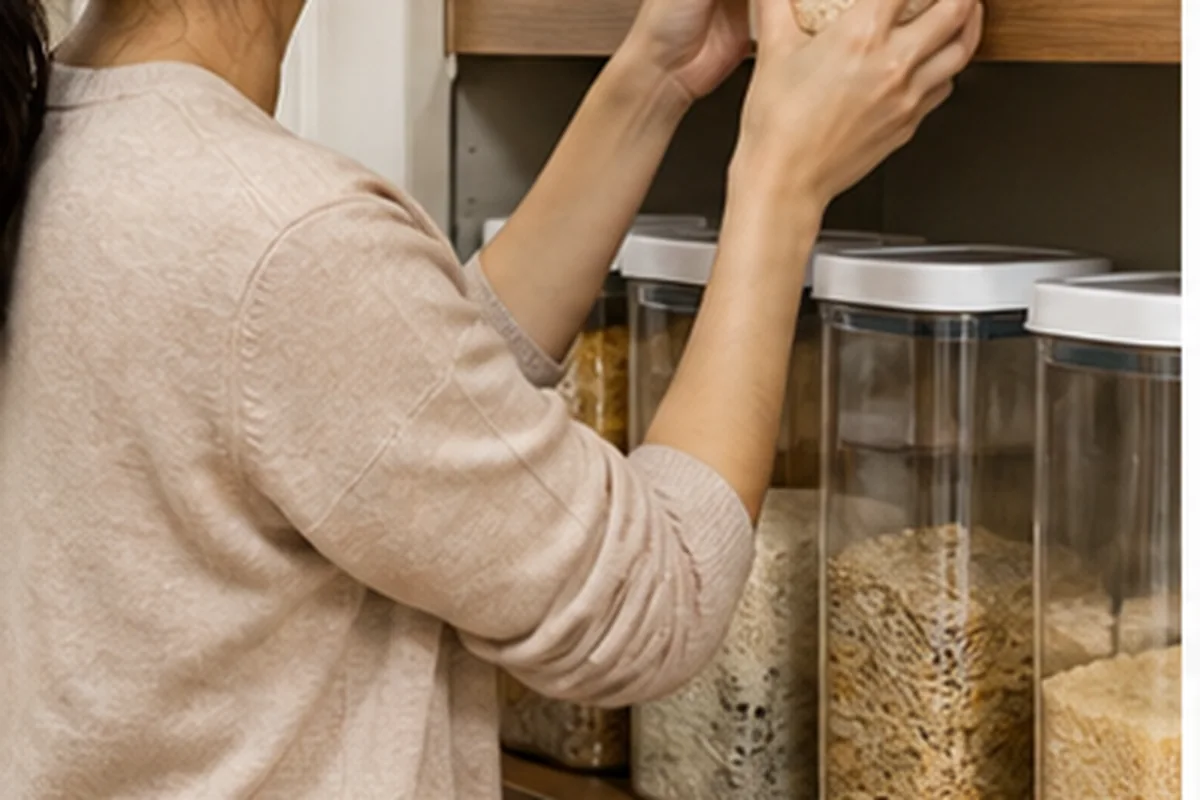
Picture this ordinary household moment: pantry shelves, flour bags, cereal boxes and half-open pasta packets. The problem is not a lack of products. It is finding the one that fits the room, the routine, and the amount of maintenance you are honestly willing to do. This guide narrows the decision around those practical constraints.
We have not claimed personal laboratory testing or invented scores. Instead, this advice evaluates commonly published product details, long-term ownership tasks, and the situations in which a airtight container set is likely—or unlikely—to be worth its space and cost.
Quick verdict
A well-chosen airtight container set can make a repeated household task easier, especially for a family that buys staples in mixed package sizes. Start with fit and workflow, then compare stackable shapes, replaceable lids, clear walls and realistic capacity. Skip premium extras that do not solve a problem you encounter at least every week.
- Measure the exact storage and working space.
- List the task you expect it to handle most often.
- Check cleaning, replacement-part, and consumable costs.
- Read the current return policy and warranty terms.
- Measure your deepest shelf and tallest bag before buying. A handsome set is not useful if the largest container cannot hold the food you purchase.
Start with the real-life routine
Marketing photographs show clear counters and generous rooms. Daily life is messier. Think through who will retrieve the item, where it will be used, what must be moved first, and where it goes immediately afterward. A product that needs a complicated setup often becomes a product that stays stored.
For this category, pay particular attention to stackable shapes, replaceable lids, clear walls and realistic capacity. Those details shape daily satisfaction more than decorative finishes. If two choices solve the same problem, the simpler one with readily available parts is often the safer ownership bet.
What is worth paying more for?
Spend more when the upgrade improves a repeated physical interaction: a lid that aligns without wrestling, a handle that stays comfortable when loaded, controls you can reach, or materials that tolerate the required cleaning. Durability can also justify a higher price when replacement parts remain available.
Be cautious about bundles built around accessory count. Extra pieces look persuasive in a comparison chart but create clutter if they do not match your routine. Likewise, app connectivity and elaborate displays are not automatic improvements. They should remove a step you already find annoying.
Who should skip this purchase?
Skip or postpone the purchase if you cannot name the storage location, if a tool you already own can handle the job with one small change, or if the product depends on supplies that are difficult to source. Borrowing or buying one smaller unit first can reveal whether the routine will stick.
A practical comparison method
Choose three candidates and make a short table with dimensions, core function, cleanup steps, replacement items, and current total cost. Use “check current price” rather than trusting an old number. Availability and pricing change, while fit and ownership requirements are usually more stable.
Read critical reviews for patterns rather than isolated frustration. Repeated mentions of the same hinge, seal, battery, coating, or replacement-part problem deserve attention. At the same time, check whether the complaint reflects a use case different from yours.
Our buying recommendation
Look for the straightforward option that fits your measured space and handles the primary job with the fewest repeated steps. For a family that buys staples in mixed package sizes, that usually means prioritizing stackable shapes, replaceable lids, clear walls and realistic capacity. Confirm current specifications on the manufacturer or retailer page before ordering.
Frequently asked questions
Should I buy the largest version?
Usually not by default. Size should match the typical load and available storage. Oversized products can be harder to clean, lift, or use frequently.
Are premium models always more durable?
No. Price can reflect finish, marketing, or features as much as service life. Look for clear materials information, replaceable wear parts, and a useful warranty.
When should I replace an existing household item?
Replace it when damage affects safety or function, repairs are impractical, or the current item repeatedly blocks the routine it is meant to support. Cosmetic age alone is not a strong reason.